gaming
How to Improve Aim in Valorant: A Simple Beginner Guide


If you are new to Valorant and your shots keep missing by a small margin, learning how to improve aim in Valorant starts with basics, not with copying a professional player’s settings. Aim in Valorant is a mix of crosshair placement, a comfortable sensitivity, controlled shooting and short, regular practice. This guide explains each part in simple steps so beginners can build steady aim over time.
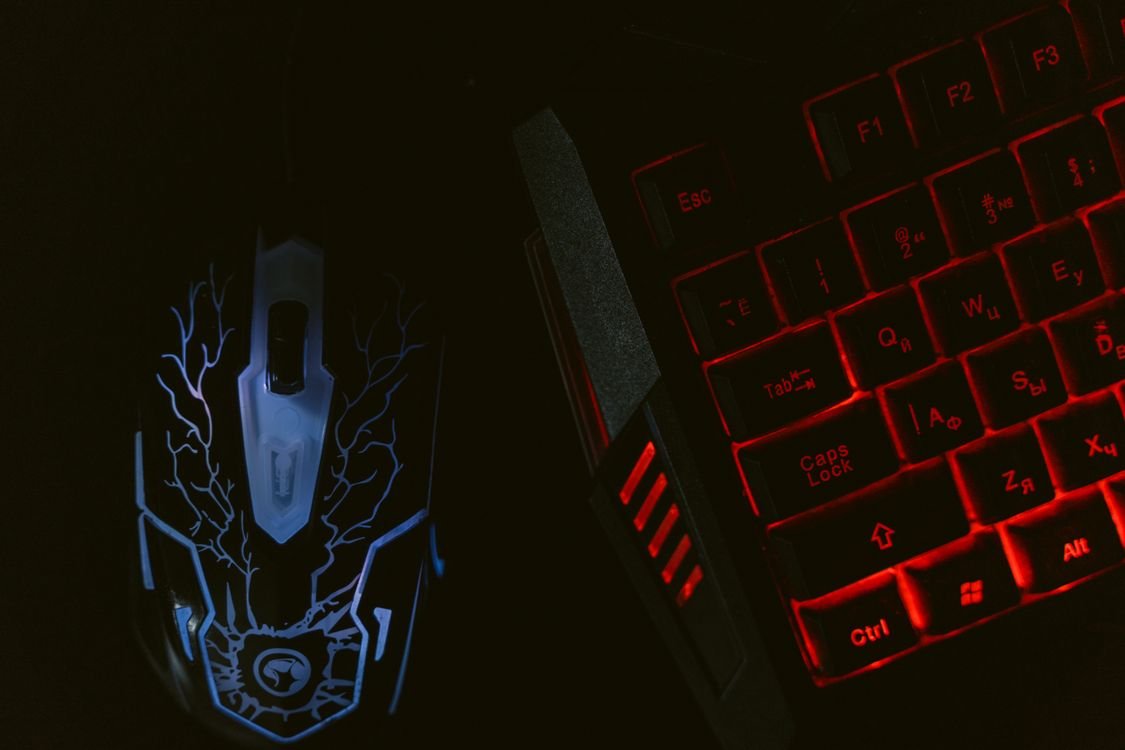
What Good Aim in Valorant Really Means
Good aim is not only fast flick shots. In Valorant, most duels are won by the player who is ready first: crosshair already at head level, standing still when shooting, and firing in short bursts instead of spraying. Speed matters, but placement and control matter more for beginners, because they reduce how far your mouse has to move when an enemy appears.
Crosshair Placement: The Easiest Win
Crosshair placement means keeping your crosshair where an enemy’s head is likely to be before you see them. Keep it at head level as you move around corners and through doorways, and pre-aim common angles instead of looking at the floor or walls. This one habit alone makes your aim feel faster, because you only need a small adjustment to land a shot. In deathmatch, practise this deliberately: focus on placement rather than your kill count.
Find a Sensitivity That Feels Steady
Sensitivity is personal, and there is no single setting that works for everyone. A sensitivity that is too high makes your crosshair overshoot targets, while one that is too low makes turning feel slow. Start with a low to moderate setting, test it in the shooting range, and change it in small steps only. Once a setting feels comfortable, stick with it for a while — constantly changing sensitivity stops your muscle memory from building. Your mouse DPI and in-game sensitivity work together, so keep both consistent once you find a comfortable pair.
Use the Range and Aim Trainers for a Short Daily Routine
Valorant’s shooting range, known as The Range, is a free place to practise against bots, test weapons and work on headshots without match pressure. Aim trainers such as Aim Lab and Kovaak’s can also help with flicking, tracking and reaction time. A short daily routine works better than one long session: warm up in The Range, practise flicks and tracking for a few minutes, then play a deathmatch to test your placement against real players. Keep sessions focused and take breaks when your aim feels tired.
Control Your Spray and Shoot in Bursts
Every weapon in Valorant behaves differently when you hold the trigger down. Spraying a full magazine usually sends later bullets wide, so beginners do better firing in short bursts and resetting between them. Spend time in The Range learning how your favourite weapons, such as the Vandal or Phantom, feel in burst fire. Standing still while shooting also helps, because moving makes your shots less accurate — strafe, stop, then shoot.
A Simple Valorant Beginner Aim Routine
Try this simple routine before you play ranked matches: five to ten minutes in The Range on static and moving bots, a few minutes of flick and tracking drills in an aim trainer if you use one, and one deathmatch focused on crosshair placement. Warming up this way gets your hand and eyes ready and helps you avoid jumping into a ranked match cold. Track what feels weak — placement, flicks or spray control — and spend extra time on that one area for a week before judging progress.
Common Beginner Aim Mistakes to Avoid
Beginners often copy a professional player’s sensitivity without testing it, practise only flick shots while ignoring crosshair placement, or spray at long range instead of bursting. Others change settings every day or practise for hours without breaks, which builds fatigue rather than skill. Avoid these traps: keep your settings steady, practise placement first, and aim for short, regular sessions.
Final Thoughts
Improving aim in Valorant takes patience, but the path is simple: good crosshair placement, a steady sensitivity, controlled bursts and a short daily routine. Focus on one weakness at a time, warm up before ranked games, and give your muscle memory time to grow. With steady practice, your duels will start feeling calmer, your shots more consistent, and your rank will follow your aim — not the other way round.
How to Reduce Lag in Online Games: Simple Fixes That Actually Work
How to Improve Aim in Valorant: A Simple Beginner Guide

BGMI Esports Registration: How to Register for BGMI Tournaments in India

matoketcs.com as a Forward-Thinking Technology Platform 2026

The Most Expensive Shoes in the World: Walking in Million-Dollar Style

Yojana Magazine: A Complete Guide for Aspirants

Vision IAS Monthly Magazine: A Complete Guide for UPSC Aspirants

Understanding Bereavement Leave: A Compassionate Guide for Employees and Employers

Sunrise in Delhi: A Magical Start to the Day

JK Land Records: A Complete Guide to Accessing Land Details in Jammu & Kashmir
BGMI Esports Registration: How to Register for BGMI Tournaments in India
How to Improve Aim in Valorant: A Simple Beginner Guide
How to Reduce Lag in Online Games: Simple Fixes That Actually Work
How to Reduce Lag in Online Games: Simple Fixes That Actually Work
How to Improve Aim in Valorant: A Simple Beginner Guide
BGMI Esports Registration: How to Register for BGMI Tournaments in India
matoketcs.com as a Forward-Thinking Technology Platform 2026
The Most Expensive Shoes in the World: Walking in Million-Dollar Style
Yojana Magazine: A Complete Guide for Aspirants
Vision IAS Monthly Magazine: A Complete Guide for UPSC Aspirants
Understanding Bereavement Leave: A Compassionate Guide for Employees and Employers
Sunrise in Delhi: A Magical Start to the Day